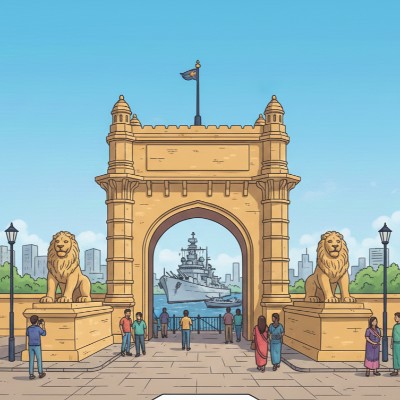
Kala Ghoda Art Precinct

About
Kala Ghoda Art Precinct is one of Mumbai’s most iconic cultural districts, celebrated for its artistic charm, heritage buildings, and vibrant street life. Nestled in the Fort area of South Mumbai, it stretches from Regal Cinema to St. Xavier’s College, encompassing some of the city’s most renowned museums, galleries, and art spaces. The precinct derives its name from a historic black horse statue ("Kala Ghoda" in Hindi) that once stood proudly at its centre. Strolling through its cobbled streets, visitors encounter a harmonious blend of colonial-era architecture and modern creativity. The district showcases Victorian, Gothic, and Art Deco styles that reflect Mumbai’s evolution through time. Notable landmarks include the Jehangir Art Gallery, Prince of Wales Museum (Chhatrapati Shivaji Maharaj Vastu Sangrahalaya), and David Sassoon Library. Each building narrates a story of the city’s artistic and intellectual journey. What truly defines the precinct today is the Kala Ghoda Arts Festival, held every year in February. This nine-day extravaganza transforms the area into a lively open-air gallery, featuring art installations, street performances, literary sessions, and cultural workshops. Thousands of visitors from across India and abroad gather to celebrate creativity and community spirit. Beyond the festival, the precinct remains a year-round destination for art lovers. Numerous cafes, bookshops, and boutique stores give it a cosmopolitan appeal. Visitors can spend hours exploring hidden murals, heritage façades, and sculptures that adorn the streets. The area’s proximity to other landmarks like Gateway of India and Marine Drive makes it a perfect inclusion in any Mumbai itinerary. Interesting Highlights:
  • Home to several prestigious art galleries and museums.
  • The original "Kala Ghoda" statue, once removed, has been reinstalled nearby as a symbol of revival.
  • A must-visit for architecture enthusiasts and photographers.
  • Easy to explore on foot, offering plenty of photo opportunities and local experiences.
  • The Kala Ghoda Art Precinct is not just a tourist attraction—it’s the living canvas of Mumbai’s artistic soul, blending history, architecture, and creativity in every corner.
    History

    The Kala Ghoda Art Precinct in Mumbai carries a legacy that dates back to the late 19th century, when the area became a cultural and administrative nucleus of the city under British rule. The precinct derived its name from a black stone statue of a horse ("Kala Ghoda" meaning "Black Horse" in Hindi) that once stood at the intersection near the Esplanade Mansion and Prince of Wales Museum. Over the decades, this locality evolved into a vibrant centre for art, architecture, and education. The elegant structures around it were built in Victorian Neo-Gothic and Indo-Saracenic styles, showcasing the grandeur of colonial-era Mumbai. The area soon attracted artists, intellectuals, and philanthropists who helped shape its identity.

    Key Highlights:

    • Commissioned in the late 1800s during the British colonial period.
    • The original black horse statue was later relocated, and a new sculpture was reinstalled in 2017.
    • Iconic institutions such as the Jehangir Art Gallery (founded in 1952) and David Sassoon Library played a pivotal role in promoting art and literature.
    • The area became synonymous with creative gatherings, exhibitions, and later the globally known Kala Ghoda Arts Festival.

    The Kala Ghoda Art Precinct today stands as a living museum of Mumbai’s colonial past and modern artistic expression.


    Facts & Figures

    The Kala Ghoda Art Precinct stands as one of Mumbai’s most visited heritage and cultural districts, combining art, history, and modern creativity. Its architectural beauty and diverse institutions make it a favourite among locals and international tourists. The precinct is a symbol of the city’s enduring relationship with art and urban heritage.

    Key Facts & Figures:

    • Location: Fort area, South Mumbai
    • Established: Late 19th century
    • Area Coverage: Approximately 2 square kilometres
    • Major Landmarks: Jehangir Art Gallery, David Sassoon Library, Prince of Wales Museum, Bombay Natural History Society
    • Annual Visitors: Over 1 million tourists during the Kala Ghoda Arts Festival
    • Festival Duration: Around 9 days every February
    • Managed By: Kala Ghoda Association, established in 1998
    • Notable Architectural Styles: Gothic Revival, Victorian, and Art Deco

    The precinct continues to expand its creative boundaries, offering exhibitions, workshops, and art installations throughout the year, making it a living, breathing cultural hotspot in Mumbai.


    Current Scenario

    The Kala Ghoda Art Precinct continues to thrive as the beating heart of Mumbai’s art and cultural scene. What began as a colonial-era commercial district has evolved into a vibrant pedestrian-friendly zone where creativity flourishes in every corner.

    Today, the Kala Ghoda Art Precinct is lined with art galleries, design studios, museums, and heritage cafés that blend the old-world charm of Victorian architecture with the energy of contemporary art. Throughout the year, the area remains abuzz with cultural events, photography walks, and public art installations.

    The Kala Ghoda Arts Festival remains its most iconic event — drawing thousands of visitors, artists, and performers from across India and abroad. Post-festival, many artworks stay displayed in open spaces, adding lasting colour to the precinct. The local administration, along with the Kala Ghoda Association, continues to maintain and beautify the streets, promote sustainable tourism, and preserve historic buildings.

    The mix of artistic vibrancy, urban renewal, and heritage preservation makes Kala Ghoda not just a tourist attraction but a living showcase of Mumbai’s evolving creative identity.

    0312
    Architecture & Design Highlights

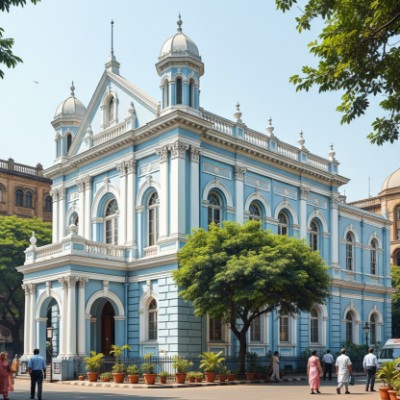
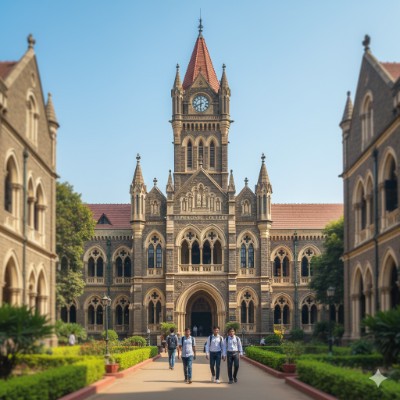
    The Kala Ghoda Art Precinct is a remarkable showcase of Victorian-era architecture blended with modern artistic expression. The area’s name, which means “Black Horse,” originates from an old equestrian statue that once stood here — symbolising the British colonial heritage that shaped the district’s early design.

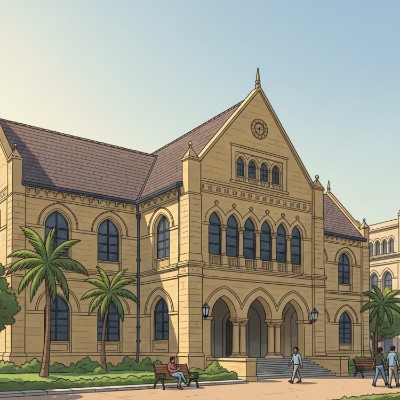
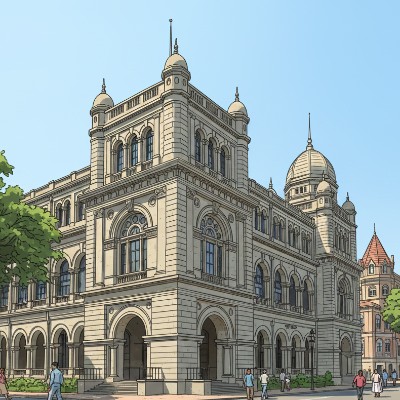
    Walking through its streets, visitors can admire stunning Gothic Revival, Neo-Classical, and Art Deco styles that dominate the façades of buildings. Arched windows, intricate cornices, and cast-iron balconies reflect the grandeur of late-19th-century Bombay.

    Landmarks like the Jehangir Art Gallery, David Sassoon Library, and Prince of Wales Museum exemplify this architectural richness. Modern touches seamlessly merge with heritage charm — restored façades now house contemporary art spaces, cafés, and boutiques. Street art installations, murals, and sculptures scattered throughout the precinct add a dynamic, evolving visual appeal.

    At night, subtle lighting highlights the ornamental details of the heritage structures, making the precinct as photogenic after dark as it is by day. Every corner of Kala Ghoda is a frame in itself — a perfect blend of preserved colonial architecture and the modern creative spirit of Mumbai.


    Visitor Experience

    Visiting the Kala Ghoda Art Precinct is like stepping into Mumbai’s creative soul. As soon as you enter the cobbled lanes, the air feels different — filled with art, culture, and colour. Every corner has something to catch your eye — murals on walls, sculptures in open courtyards, and heritage buildings turned into art galleries or cafés.

    Visitors can easily spend hours exploring the Jehangir Art Gallery, NGMA (National Gallery of Modern Art), and nearby museums. Between exhibitions, you can relax at charming cafés such as Samovar or Leopold Café, both popular with artists and travellers alike.

    During the annual Kala Ghoda Arts Festival, the precinct transforms into a carnival of creativity. Streets come alive with music, dance, street theatre, food stalls, and handmade crafts — offering a true celebration of Mumbai’s cultural heartbeat.

    Even beyond the festival, weekends are lively with small art pop-ups, photography walks, and heritage tours. The best way to experience Kala Ghoda is on foot — wandering slowly, camera in hand, discovering details of sculptures, balconies, and artwork that narrate Mumbai’s artistic journey.


    Best Time to Visit

    The best time to visit Kala Ghoda Art Precinct in Mumbai is during the pleasant winter months, when the city’s weather is ideal for walking tours and outdoor exploration. Between November and February, the temperatures remain moderate, allowing visitors to comfortably enjoy the open-air galleries, cafés, and heritage architecture.

    This period also coincides with the famous Kala Ghoda Arts Festival, which adds vibrancy and cultural energy to the district. The monsoon months, from June to September, are not ideal due to heavy rains, though they lend a certain charm to the old colonial streets for those who enjoy the off-season quiet.

    • November to February - Best for sightseeing, art walks, and outdoor photography
    • February - Time for the iconic Kala Ghoda Arts Festival
    • March to May - Hot and humid but less crowded
    • June to September - Monsoon charm, but limited outdoor activities
    • October - Transitional weather, good for short visits
    0612
    Timings, Entry Fees & Rules

    The Kala Ghoda Art Precinct in Mumbai is an open public area, accessible throughout the day and best experienced during daylight hours. Visitors usually explore the galleries, museums, and cafés that line the streets, most of which follow regular working hours. There is no single entry gate or fee, as it is a cultural and artistic neighbourhood rather than a ticketed monument. However, certain art galleries and museums may have specific timings and nominal entry fees.

    • Timings: Open all day, recommended visiting hours 10:00 AM to 7:00 PM
    • Entry Fee: No entry fee for the precinct; some galleries may charge Rs. 20 to Rs. 100
    • Weekly Off: Varies by gallery or café, usually Monday
    • Photography: Allowed in public areas; check individual gallery rules
    • Festival Days: Extended hours and special events during the Kala Ghoda Arts Festival

    Disclaimer: Timings and entry fees may change. Visitors are advised to check with individual galleries or local tourism authorities for updated information.


    How to Reach

    Kala Ghoda Art Precinct is centrally located in South Mumbai, making it easily accessible by all major modes of transport. Whether you’re a local traveller or an international visitor, reaching this iconic art hub is convenient from any part of the city. The area is well-connected by road, train, and air, and lies close to many of Mumbai’s other heritage landmarks.

    • By Air – The nearest airport is Chhatrapati Shivaji Maharaj International Airport, approximately 23 km away. From there, you can hire a taxi or use app-based cabs to reach the precinct in around 45 to 60 minutes, depending on traffic.

    • By TrainChurchgate and Chhatrapati Shivaji Maharaj Terminus (CSMT) are the nearest railway stations, both around 1.5 km away. You can easily take a taxi or even walk through the historic Fort area to reach Kala Ghoda.

    • By Road / Metro – The precinct lies along MG Road and Rampart Row, accessible via local buses, taxis, or private cars. The nearest metro station is CSMT Metro (under Mumbai Metro Line 3, once operational).


    Tips & Hacks

    Exploring Kala Ghoda Art Precinct is a delightful experience when planned smartly. The area can get busy during weekends and the annual arts festival, so visiting during weekdays ensures a more relaxed walk. Comfortable footwear, hydration, and a camera are must-haves for anyone keen on discovering the art and heritage vibe of South Mumbai.

    • Visit early in the morning or late afternoon for the best lighting and fewer crowds
    • Carry a bottle of water and light snacks, as exploration involves walking
    • Photography is allowed, but always ask for permission inside galleries
    • Try to visit during the Kala Ghoda Arts Festival for the full cultural experience
    • Wear comfortable shoes for walking on stone-paved streets
    • Avoid peak traffic hours (8:00 AM to 10:00 AM and 6:00 PM to 8:00 PM)
    0912
    Recommendations for Tourists

    Kala Ghoda Art Precinct offers something for every traveller, from art lovers to casual tourists. Local visitors can explore the blend of history, architecture, and street life in a few hours, while international travellers may want to spend a full day discovering galleries, heritage buildings, and nearby attractions. Whether you’re on a budget or seeking a curated cultural experience, Kala Ghoda never disappoints.

    • Local Tourists – Walk through the lanes, explore art galleries, and grab coffee at heritage cafés. Ideal for a half-day visit.
    • International Tourists – Opt for guided heritage walks that cover the precinct’s history, architecture, and colonial-era structures.
    • Culture Seekers – Plan your trip during the Kala Ghoda Arts Festival in February for workshops, street performances, and pop-up art.
    • Budget Travellers – Most experiences are free; focus on public art, window shopping, and photography.
    • Recommended Duration2 to 4 hours on regular days; full day during the festival.


    Food Courts / Food Options Nearby

    The Kala Ghoda Art Precinct is not just a feast for the eyes but also for the palate. Its surrounding streets are lined with charming cafés, historic eateries, and modern restaurants that offer everything from local snacks to international cuisine. Whether you want a quick coffee, a light meal, or a gourmet dining experience, this area has it all within walking distance.

    • Kala Ghoda Café - Continental and Parsi dishes, approx. ₹500 per person
    • Yazdani Bakery - Iconic Irani bakery known for brun maska and chai, approx. ₹150 per person
    • The Pantry - Organic and healthy food options, approx. ₹600 per person
    • Bombay Canteen - Modern Indian dining, approx. ₹1,000 per person
    • Starbucks, Horniman Circle - Coffee and snacks, approx. ₹400 per person
    • Café Military - Old-school Irani café serving Parsi meals, approx. ₹300 per person

    Must-Try:

    • Brun maska and chai at Yazdani Bakery
    • Homemade sandwiches and coffee at Kala Ghoda Café
    • Bombay Canteen’s Indian fusion lunch


    Additional Notes

    Kala Ghoda Art Precinct is more than just an art hub – it’s a symbol of Mumbai’s evolving cultural identity. Every corner tells a story, from the colonial-era facades to the contemporary murals that adorn its walls. The precinct transforms during the Kala Ghoda Arts Festival, becoming a live canvas filled with installations, performances, and workshops that attract thousands of visitors each year.

    • The name “Kala Ghoda” means “Black Horse,” referring to a historic equestrian statue once located here.
    • It’s one of the most photographed spots in South Mumbai due to its blend of Gothic and modern art styles.
    • Ideal for photography enthusiasts and culture lovers.
    • Early mornings offer the best light for capturing architecture.
    • A must-visit during the February festival for authentic Mumbai street vibes.
    0


    Places Nearby Kala Ghoda Art Precinct
    Frequently Asked Questions
    Q1: Q1. Where is the Kala Ghoda Art Precinct located?
    A1: It is situated in the Fort area of South Mumbai, between Regal Cinema and Mumbai University’s Fort Campus.
    Q2: What is Kala Ghoda famous for?
    A2: Kala Ghoda is famous for its art galleries, cultural spaces, heritage architecture, and the annual Kala Ghoda Arts Festival.
    Q3: Where is the Kala Ghoda Art Precinct located in Mumbai?
    A3: The Kala Ghoda Art Precinct is located in the Fort area of South Mumbai, close to landmarks like the Jehangir Art Gallery and the Prince of Wales Museum.
    Q4: When is the best time to visit the Kala Ghoda Art Precinct in Mumbai?
    A4: The best time to visit the Kala Ghoda Art Precinct is between November and February, when the weather is pleasant and the Kala Ghoda Arts Festival takes place in February.
    Q5: What can visitors see at the Kala Ghoda Art Precinct?
    A5: Visitors at the Kala Ghoda Art Precinct can explore numerous art galleries, heritage buildings, street installations, and vibrant cafes that showcase the artistic spirit of Mumbai.
    Q6: What can visitors see at the Kala Ghoda Art Precinct?
    A6: Visitors at the Kala Ghoda Art Precinct can explore numerous art galleries, heritage buildings, street installations, and vibrant cafes that showcase the artistic spirit of Mumbai.
    Q7: Is there an entry fee to visit the Kala Ghoda Art Precinct in Mumbai?
    A7: There is no entry fee to visit the Kala Ghoda Art Precinct. Visitors can freely explore the streets, galleries, and cultural spaces at their own pace.
    Q8: What is the Kala Ghoda Arts Festival?
    A8: The Kala Ghoda Arts Festival is an annual cultural event held in February at the Kala Ghoda Art Precinct, celebrating art, music, dance, theatre, films, and literature with free public performances and exhibitions.
    Q9: How long does the Kala Ghoda Arts Festival last?
    A9: The Kala Ghoda Arts Festival usually lasts for around nine days in February, featuring a packed schedule of cultural events, workshops, and exhibitions across the Kala Ghoda Art Precinct.
    Q10: Which are the popular art galleries in the Kala Ghoda Art Precinct?
    A10: Some of the popular art galleries in the Kala Ghoda Art Precinct include the Jehangir Art Gallery, NGMA Mumbai, Gallery Chemould Prescott Road, and Artists’ Centre.
    Q11: Are guided tours available for the Kala Ghoda Art Precinct?
    A11: Yes, several local heritage walks and guided art tours include the Kala Ghoda Art Precinct and provide insights into its history, architecture, and contemporary art scene.
    Q12: What are the nearest landmarks to the Kala Ghoda Art Precinct in Mumbai?
    A12: The Kala Ghoda Art Precinct is close to major landmarks such as the Chhatrapati Shivaji Maharaj Vastu Sangrahalaya, Jehangir Art Gallery, Flora Fountain, and the Gateway of India.
    Q13: Is photography allowed at the Kala Ghoda Art Precinct?
    A13: Yes, photography is allowed in the Kala Ghoda Art Precinct’s public areas. However, individual art galleries may have specific restrictions, so it’s best to check before clicking pictures indoors.
    Q14: How can visitors reach the Kala Ghoda Art Precinct in Mumbai?
    A14: Visitors can reach the Kala Ghoda Art Precinct easily by taking a local train to Churchgate or CST Station, both within walking distance. It is also accessible by taxi, bus, or metro from various parts of Mumbai.
    Q15: What are the opening hours of the Kala Ghoda Art Precinct?
    A15: The Kala Ghoda Art Precinct is an open public area accessible throughout the day. However, individual art galleries usually operate between 11:00 AM and 7:00 PM.
    Q16: Is the Kala Ghoda Art Precinct accessible for differently-abled visitors?
    A16: Yes, most areas of the Kala Ghoda Art Precinct are accessible for differently-abled visitors, though some heritage buildings may have limited access due to their old architecture.